How can India build an inclusive, skilled, and future-ready workforce for the EV and Solar sectors?
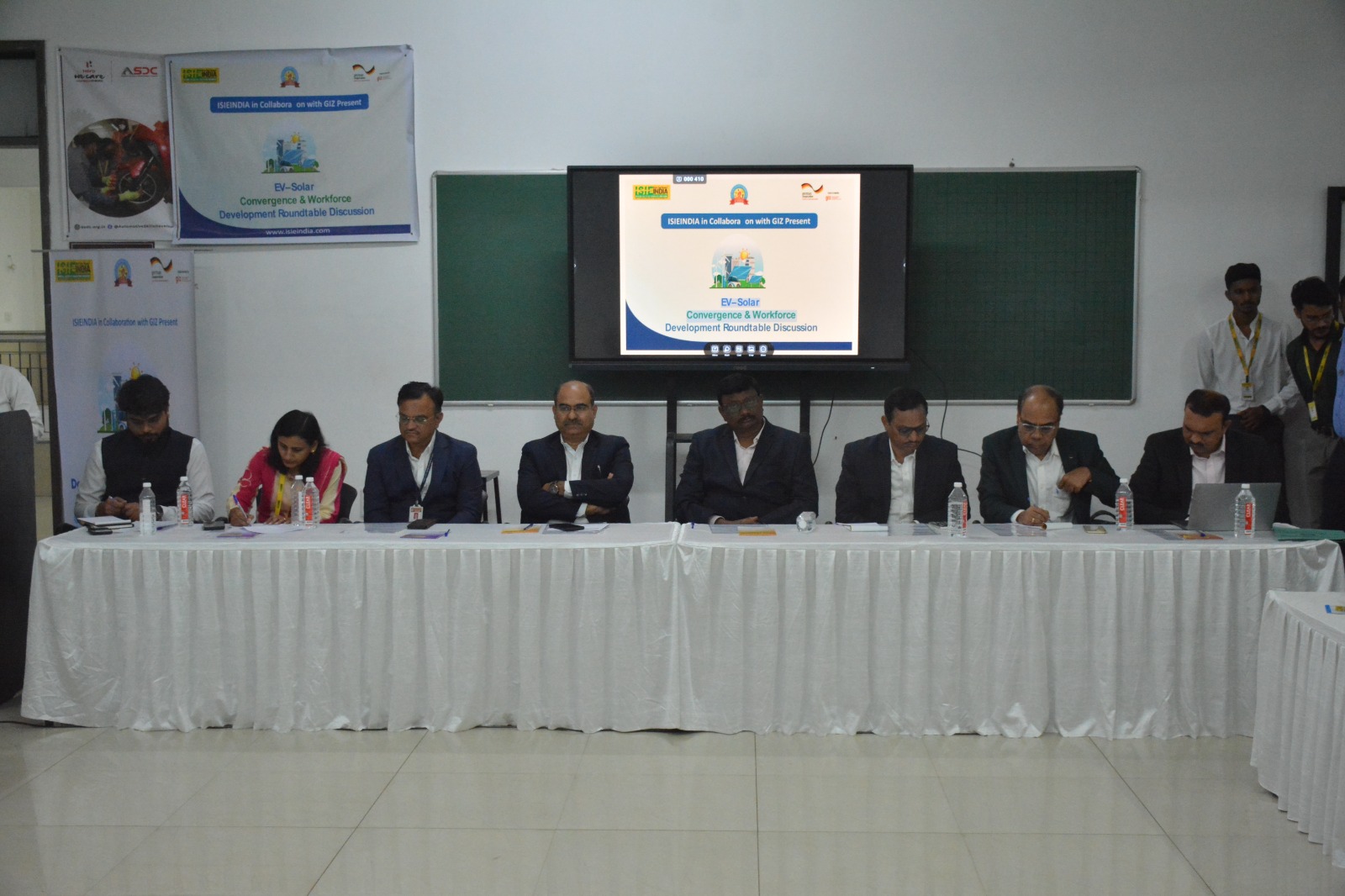
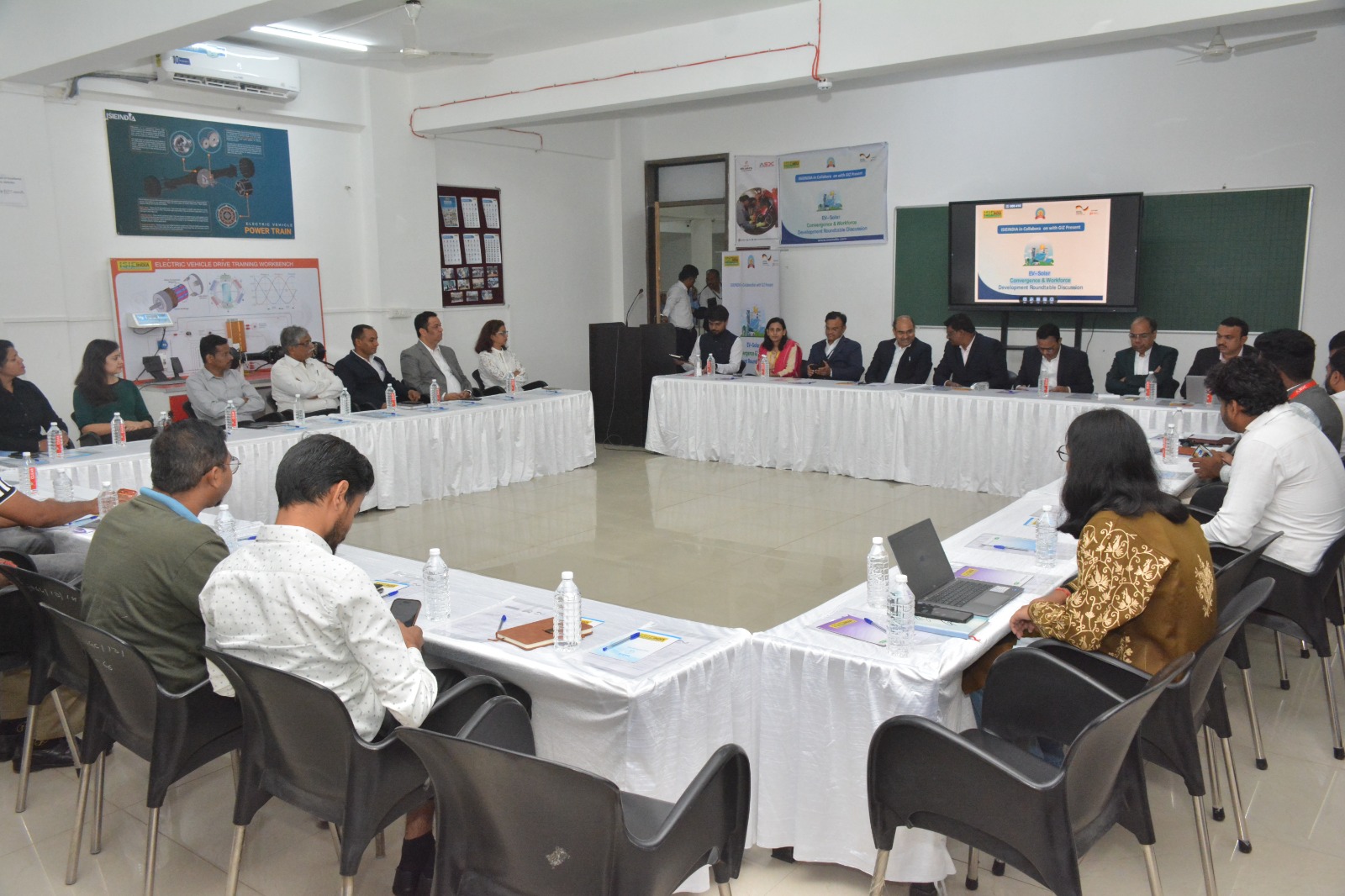
On 2nd December 2025, the ISIEINDIA Centre of Excellence at CSMSS Shahu College of Engineering, Chhatrapati Sambhajinagar, hosted a high-energy Roundtable on “EV–Solar Convergence & Workforce Development.” The event brought together educators, industry leaders, training partners, and students to collectively discuss the future of green skills.
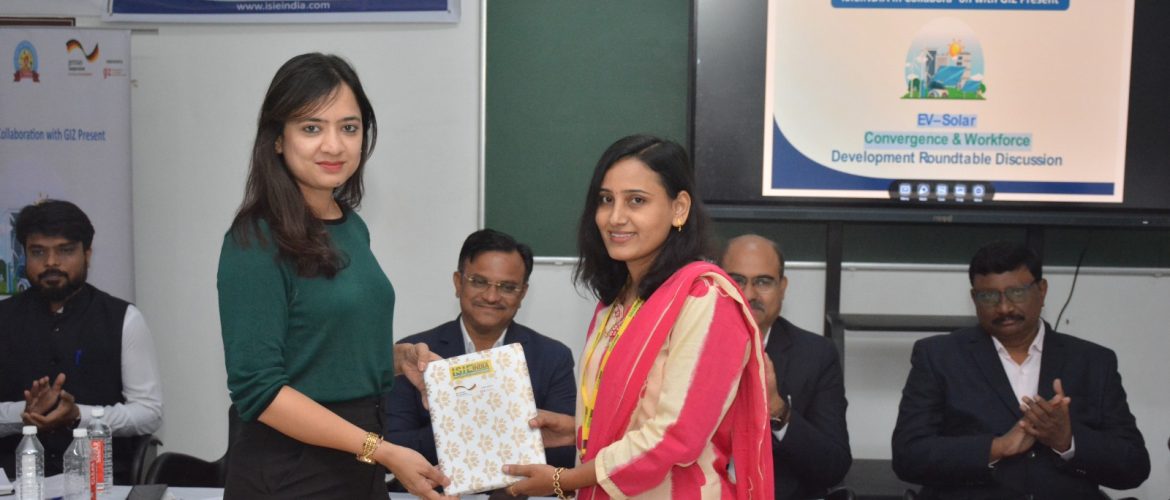
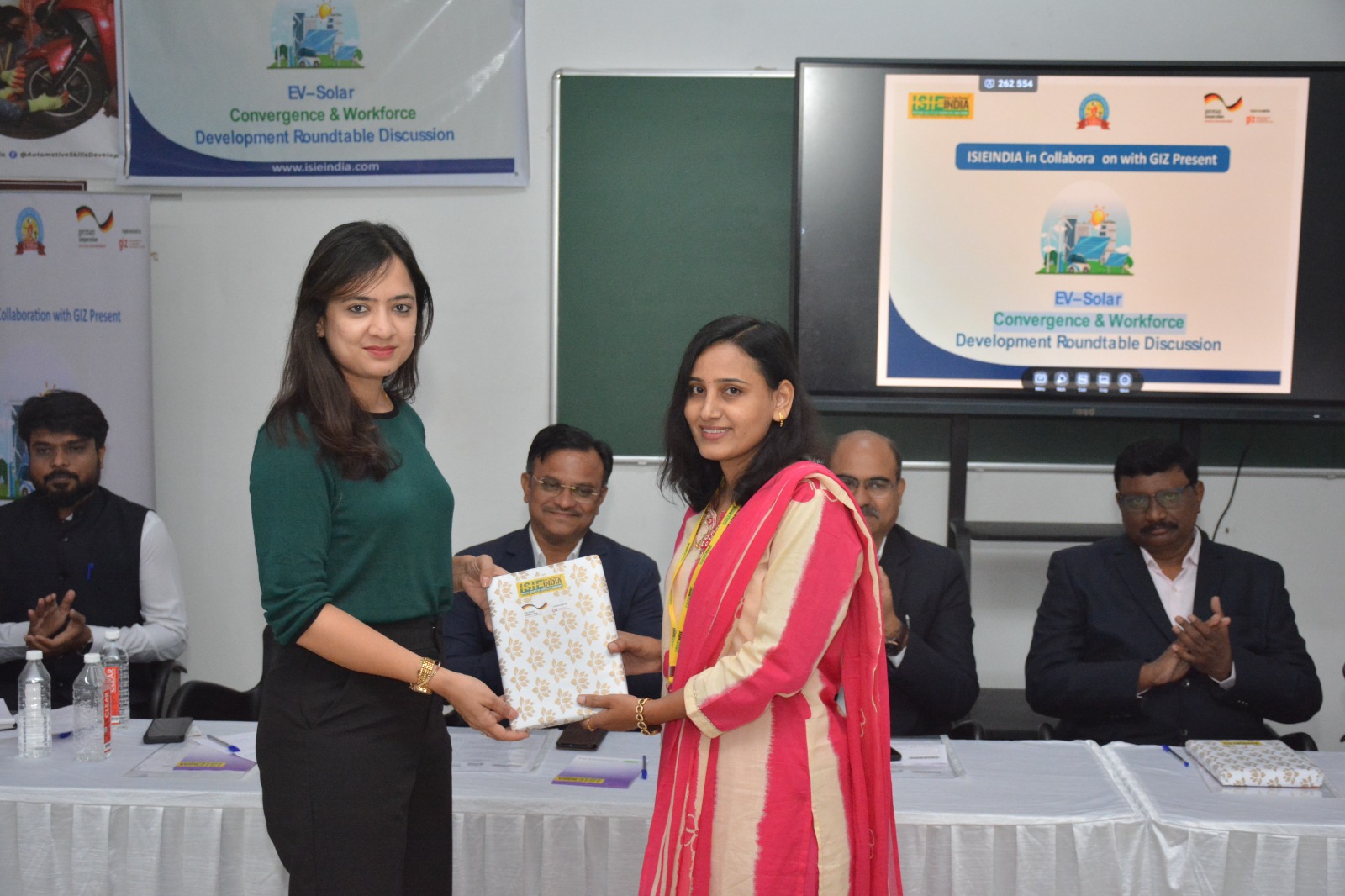
More than 20 organizations participated in this pivotal dialogue, including GIZ India, Tata Motors, Urja Global Ltd., BGauss Auto, Endurance Technologies, Tata Strive, CYDA Pune, CTAPL, Akshay Urjaa, Infinite Solar, MGVS and several others. The event began with a warm student-led welcome and a felicitation ceremony honoring all dignitaries and representatives.
Visionary Perspectives
Dr. Tapan (GIZ India)
Highlighted ongoing gender-inclusion initiatives and the urgent need to bring more young women into technical and engineering pathways.
Dr. Ganesh (CSMSS COE)
Emphasized the institute’s innovation-driven ecosystem, citing student projects such as driverless cars, community-based curriculum design, and incubation for start-ups.
Adding a global perspective, Mr. Tarun from the IGGSP Programme (GIZ) discussed international mobility opportunities and the growing worldwide demand for green technology talent. The sessions were effectively moderated by Ms. Rupali Agrawal and Mr. Tarun Mhaske, who ensured a balanced and engaging dialogue between academia and industry.
Barriers & Breakthroughs in Gender Inclusion
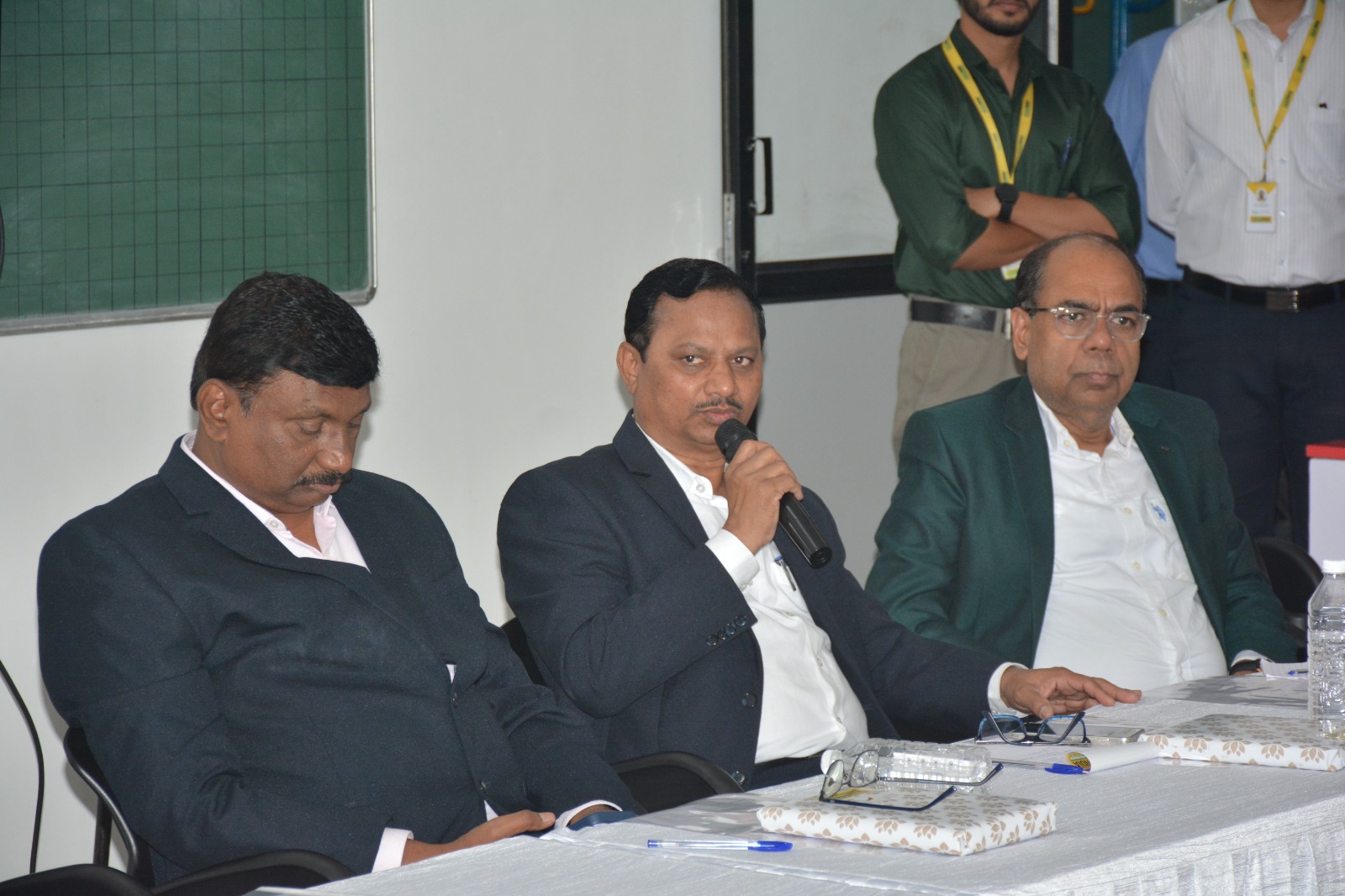
Key insights emerged from ITI leaders who shared their experience in running green courses and women-only training batches. While targeted skilling efforts are helping young women enter technical trades, barriers remain. The discussion candidly addressed:
- Parental hesitation for fieldwork
- Limitations around night shifts
- Safety and mobility concerns
- Lack of hostel and hygiene facilities
“Behind every successful woman, there is always a progressive man.”
Industry Demands & Skill Gaps
Industry representatives pointed out common skill gaps, particularly in communication, practical exposure, and alignment with industry-specific demands. The German Dual System Training (GDST) model was highlighted as a strong framework to adopt for improving training effectiveness.
Critical Industry Challenges:
- Need for improved EV charging infrastructure.
- Demand for more fast-charging stations.
- Accelerated efforts toward indigenous EV components.
- Addressing misconceptions that green sectors are “unorganized” due to contractual roles.
Student Engagement & Opportunities
Essay Competition Winner
To keep students actively involved, an essay writing competition was conducted. Ms. Rupali Sangle was declared the winner for her thoughtful perspective on women’s participation in green industries.
Additionally, a job fair brought recruiters from Seinumero Nirman Pvt. Ltd., Quess Corp (Tata Motors & Bajaj Auto), Tulsi Enterprises, and Akshay Urja Global, giving students the opportunity to interact directly with potential employers and understand current expectations in the EV and Solar workforce.
A Commitment to the Future
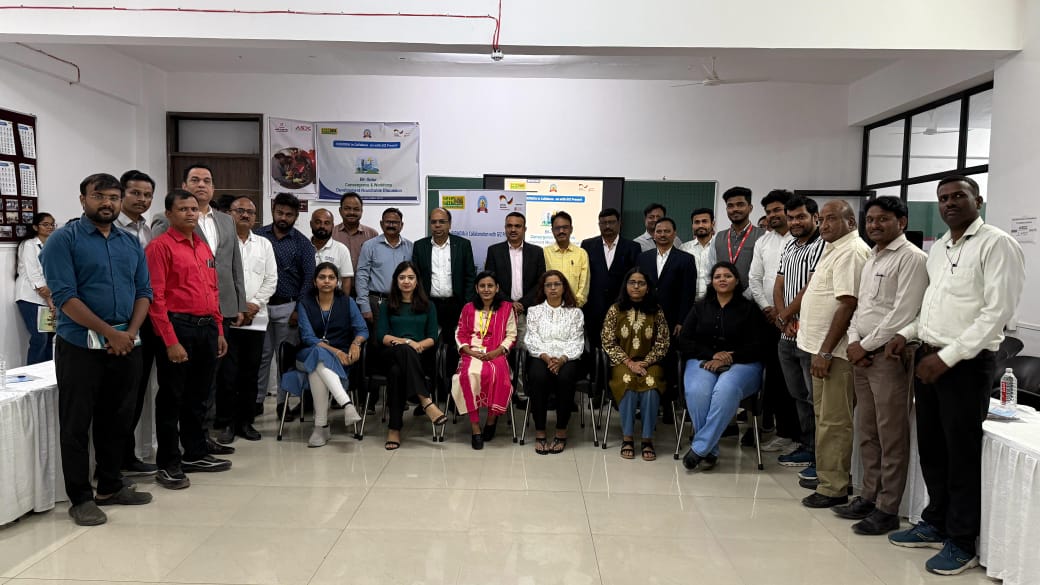
The Roundtable concluded on a strong, united note, with all partners committing to foster an ecosystem where women feel encouraged, supported, and empowered to build careers in green technology sectors. For ISIEINDIA, the event reaffirmed its mission to close skill gaps, advance industry-academia collaboration, and prepare a workforce capable of contributing to India’s fast-growing green mobility and renewable energy landscape.